As energy costs fluctuate and environmental awareness grows, homeowners are increasingly looking for ways to optimize their living spaces. Creating an energy-efficient home is no longer just about swapping out a few incandescent lightbulbs for LEDs; it requires a comprehensive, whole-house approach. From how you source your primary heating fuel to the structural integrity of your roof and the intelligence of your electrical panel, every system in your home interacts to determine your overall energy footprint.
True efficiency means minimizing waste, maximizing comfort, and ensuring that every dollar you spend on heating and cooling translates directly into a better living environment. Whether you are building a new property from the ground up, embarking on a deep energy retrofit of a historic house, or simply looking to tackle a few high-impact weekend projects, understanding your options is the first step. By taking a top-to-bottom look at your property’s energy ecosystem, you can make informed, strategic decisions that will lower your utility bills and elevate your quality of life.
Securing Your Winter Energy at Scale
For large estates, multi-building properties, or homes located in deeply rural areas without access to municipal utility grids, managing winter heating costs requires strategic planning. Purchasing energy month-to-month during the peak of winter leaves you highly vulnerable to market volatility, geopolitical supply chain disruptions, and sudden price spikes driven by unexpected cold snaps.
The most efficient way to manage energy needs is through bulk purchasing during the off-season. By analyzing your historical usage data, you can project exactly how many gallons of fuel your property will require to comfortably survive the coldest months. When you secure these reserves during the summer, when demand and prices are at their lowest, you lock in favorable rates. Partnering with a reliable wholesale fuel supplier allows homeowners with large storage capacities to bypass retail markups entirely. This approach not only provides profound financial predictability for your household budget but also guarantees that your family will not be left stranded or rationing heat during severe mid-winter blizzards when local delivery trucks might struggle to navigate icy rural roads.

Clean-Burning Gas Solutions for Everyday Living
Transitioning your home’s primary appliances to run on propane is one of the most effective ways to boost daily efficiency, especially if you live outside the reach of natural gas pipelines. Propane is a highly efficient, high-density energy source. In fact, a propane furnace can comfortably heat air to 115–125°F, providing a significantly warmer and more comfortable heat profile than many older electric heat pumps that struggle when the ambient temperature drops below freezing.
Beyond space heating, utilizing propane for your hot water heaters (particularly tankless models), clothes dryers, and kitchen ranges dramatically reduces your reliance on an aging and sometimes fragile electrical grid. Because propane burns incredibly cleanly, producing significantly fewer greenhouse gas emissions than coal-powered electricity or traditional heating oil, it is considered an environmentally friendly alternative fuel. To maintain this high level of efficiency and safety, it is vital to set up scheduled maintenance and automatic top-offs with reputable residential propane services. These professionals can monitor your tank levels remotely and ensure that your home’s clean-energy ecosystem operates flawlessly year-round without you ever having to check a gauge.
Reliable Refills for Your Winter Furnace
In regions like the Northeast United States, millions of heritage homes still rely on heating oil. While older oil furnaces have a reputation for being dirty or inefficient, modern advancements have completely revolutionized this sector. Today’s condensing oil furnaces can achieve Annual Fuel Utilization Efficiency (AFUE) ratings of up to 90%, meaning nearly all the fuel consumed is converted directly into usable heat for your living space. Furthermore, the industry is rapidly transitioning to Bioheat—a cleaner blend of ultra-low sulfur heating oil and renewable biodiesel derived from plant oils and animal fats, which significantly lowers carbon emissions.
However, the efficiency of your modern furnace is entirely dependent on a consistent, uninterrupted supply of high-quality fuel. Allowing a tank to run dry not only leaves your home freezing and susceptible to burst pipes, but it also pulls sludge from the bottom of the tank into your fuel lines, ruining your furnace’s efficiency and requiring expensive emergency repairs. Enrolling in automated heating oil delivery ensures that advanced algorithms, which track daily degree-day temperatures and your specific historical consumption rates, dispatch a truck to your home exactly when you need it. This keeps your system running cleanly and efficiently all winter long.
Stopping Thermal Loss at the Highest Point
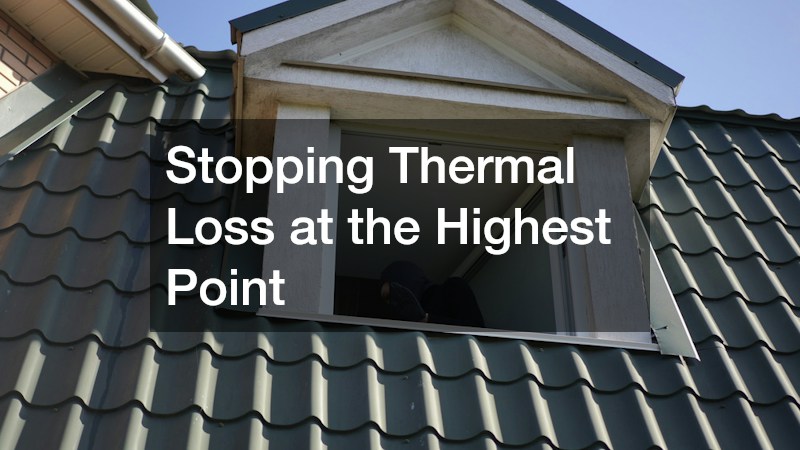
Basic thermodynamics dictates that warm air rises. You can invest tens of thousands of dollars in the most advanced, high-efficiency HVAC equipment on the market, but if your home’s upper envelope is not properly sealed, that expensive conditioned air will simply drift up and out through the roof. The attic is overwhelmingly the primary culprit for winter heat loss and summer heat gain in the average home.
Upgrading your attic’s thermal barrier is universally recognized as the single most cost-effective energy efficiency upgrade a homeowner can make, often paying for itself in utility savings within just a few years. Depending on your climate zone, the Department of Energy recommends attic insulation R-values ranging from R-30 to R-60. Achieving this often requires removing old, compacted, or moisture-damaged materials and installing fresh blown-in cellulose, fiberglass batts, or expanding polyurethane spray foam. Hiring a professional attic insulation service is crucial, as they understand how to properly air-seal bypasses around recessed lights, plumbing stacks, and chimney chases before laying down the insulation, ensuring a continuous thermal blanket that drastically reduces your HVAC system’s workload.
Weatherproofing Your Home From the Top Down
While insulation stops the transfer of heat, your roof acts as the essential shield protecting that insulation—and your entire home—from the elements. A compromised roof destroys home efficiency. Even a minor, unnoticed leak can allow moisture to saturate your attic insulation. Because water is an excellent conductor of heat, wet insulation loses almost all of its thermal resistance (R-value), forcing your heating and cooling systems to work overtime.
Furthermore, a roof’s design and materials play a role in solar heat reflection. Dark, traditional asphalt shingles absorb solar radiation, baking your attic to temperatures exceeding 150°F in the summer. Modern efficiency standards favor “cool roofs,” which utilize highly reflective shingles, metal standing seams, or specialized reflective coatings to bounce solar energy back into the atmosphere. Proper soffit and ridge ventilation are also vital to allow the roof to “breathe,” regulating attic temperatures and preventing the formation of destructive ice dams in the winter. Consulting with experienced residential roofers to assess your roof’s ventilation, reflectivity, and watertight integrity is a foundational step in securing your home’s broader energy efficiency envelope.

Pinpointing Hidden Drafts and Energy Drains
Many homeowners suffer from high utility bills and uncomfortable, drafty rooms without ever knowing exactly where the energy is escaping. You might assume your windows are the problem, only to discover that the bulk of your heat is actually escaping through an unsealed basement rim joist or poorly connected ductwork hidden behind the drywall. Guessing where your home is losing energy usually leads to wasted money on ineffective renovations.
To achieve true efficiency, you must approach the house as a complex, interconnected system. This requires scientific measurement. Professional energy auditors utilize advanced diagnostic tools, such as blower door tests, to depressurize the house and quantify the exact rate of air infiltration. They pair this with infrared thermal imaging cameras to see through walls, visually highlighting cold spots, missing insulation, and structural thermal bridging. This rigorous approach to leak detection removes the guesswork. By precisely identifying the microscopic cracks around door frames, electrical outlets, and foundation sills, homeowners can target their weatherstripping, caulking, and insulating efforts exactly where they will yield the highest return on investment.
Embracing Ductless, Zoned Climate Control
Traditional central air conditioning and forced-air heating systems rely on a sprawling network of ductwork to distribute conditioned air throughout the house. Unfortunately, ducts are notoriously inefficient. The Department of Energy estimates that in a typical house, 20% to 30% of the air moving through the duct system is lost due to leaks, holes, and poorly connected joints. Furthermore, central systems operate on a single thermostat, meaning you have to heat or cool the entire house just to make the living room comfortable.
The modern solution to this immense energy waste is the adoption of heat pump technology, specifically ductless systems. These systems utilize a single outdoor compressor connected to multiple indoor air-handling units. Because there are no ducts, there is zero duct loss. More importantly, each indoor unit operates independently, allowing you to create customized climate zones. You can keep the home office cool during the day while leaving the unoccupied bedrooms unconditioned, dramatically slashing energy use. To ensure optimal placement, proper refrigerant charging, and seamless integration into your home’s aesthetics, scheduling professional mini split installations is the best way to upgrade to this whisper-quiet, highly efficient climate control technology.

Blocking Solar Heat Gain Through Glass
Windows are the architectural feature that brings natural light, warmth, and beauty into our homes. However, from a thermodynamic perspective, they are essentially giant holes in your home’s thermal envelope. Even high-quality, double-paned windows have a fraction of the insulating value of a standard insulated wall. During the summer, direct sunlight pouring through untreated glass creates a greenhouse effect, spiking indoor temperatures and forcing your air conditioner to run constantly to compensate.
While replacing older windows with new, low-emissivity (Low-E) models is highly effective, it is also incredibly expensive. A much more cost-effective alternative for existing windows is the application of advanced solar control films. These microscopic, multi-layered films can block up to 99% of harmful UV rays—which prevents your hardwood floors and expensive upholstery from fading—while simultaneously rejecting up to 70% of solar heat gain. By utilizing professional window tinting services, homeowners can drastically reduce their summer cooling loads, eliminate annoying glare on computer and television screens, and add a layer of shatter-resistance to their glass, all without sacrificing their beautiful views or natural daylight.
Flexible Exterior Sun Protection on Demand
While window films are excellent at mitigating the sun’s impact once it hits the glass, the absolute most efficient way to prevent solar heat gain is to stop the sun’s rays before they ever reach the exterior of your home. Passive solar design has utilized architectural overhangs for centuries to shade windows during the peak heat of summer. However, fixed structural overhangs have a major drawback: they also block the sun during the dead of winter, exactly when you want that free, radiant solar energy to help heat your home.
The elegant, modern solution to this problem is dynamic exterior shading. Installing retractable shades over large south- and west-facing patios, sliding glass doors, and expansive living room windows allows you to actively control your home’s solar exposure based on the season. During a sweltering July afternoon, extending the shade can lower the temperature of the adjacent indoor space by up to 15 degrees, vastly reducing your reliance on air conditioning. Partnering with a premium retractable awning company ensures you get durable, weather-resistant fabrics and motorized systems—often equipped with smart wind and sun sensors—that integrate perfectly into your home’s exterior design while providing unmatched passive climate control.
Upgrading Your Wiring for Smarter Power Consumption
We’re currently in the midst of a residential electrification movement. Homeowners are rapidly adopting electric vehicles (EVs), induction cooktops, heat pump water heaters, and sophisticated smart home automation systems. While these modern technologies are vastly more energy-efficient than their legacy fossil-fuel counterparts, they place an unprecedented demand on your home’s electrical infrastructure.
A 100-amp electrical panel that was perfectly adequate in the 1980s is dangerously insufficient for a modern, high-efficiency household. Attempting to run a Level 2 EV charger, an electric dryer, and a modern HVAC system simultaneously on an outdated panel can lead to tripped breakers, overheated wires, and significant fire hazards. True energy efficiency today requires an intelligent electrical backbone. Upgrading to a 200-amp or even 320-amp service, combined with smart circuit breakers that monitor real-time energy consumption for individual appliances, allows you to identify exactly where your power is going and optimize your usage during off-peak utility hours. Hiring a licensed residential electrician to modernize your home’s wiring, install dedicated circuits for high-efficiency appliances, and perhaps wire your system for future solar battery integration is the critical final step in future-proofing your home’s energy ecosystem.
Choosing the right efficiency options for your home is not a single event, but a continuous journey of intelligent upgrades. By methodically addressing how your home sources its energy, seals its envelope, manages its climate, and distributes its power, you create a living space that is deeply comfortable, highly resilient, and remarkably cost-effective to operate.
About the Author